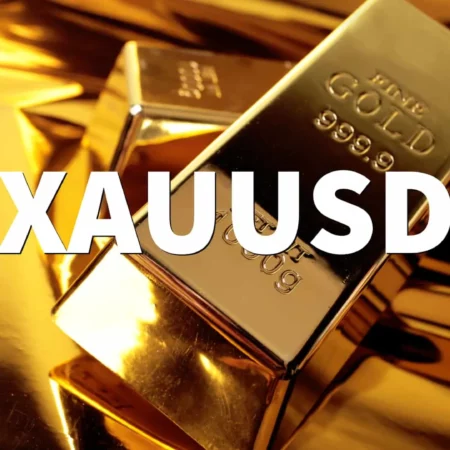


The financial markets exhibited a relatively stable performance on Monday (11/8/2025), with only gold experiencing significant volatility. This instability was primarily due to ongoing uncertainties surrounding import tariffs on bullion.
With no major economic data releases at the start of the week, expectations surrounding potential interest rate cuts by the Federal Reserve next month are likely to continue influencing overall market movements.

Recommended

Recommended

Recommended

Recommended
GOLD
Gold prices (XAUUSD) fell more than $30, or 300 pips, this morning, dropping to $3,367.66 per troy ounce due to the confusion over the import tariffs on gold bullion weighing 1 kilogram and 100 ounces as imposed by the United States.
As widely reported, U.S. President Donald Trump has implemented a 39% import tariff on Swiss products. Last Friday, U.S. Customs announced that bullion is also subjected to these tariffs.
This announcement caused turmoil in the gold market, as Switzerland is known as a global hub for gold refining. The Swiss Precious Metals Association indicated that these import tariffs could negatively affect the international distribution of physical gold.
On the other hand, the White House stated it would soon clarify the “misinformation” regarding the import tariffs on gold bullion. Market participants are hopeful that the U.S. government will exempt bullion from the import tariff regulations. Consequently, gold prices have faced downward pressure since this morning and this trend may persist into the European trading session.
OIL
Oil prices (CLS10) have recorded a seven-day decline following the close of trading last Friday at $63.37 per barrel. Over the past week, oil prices have dropped by $6.91.
The decline in oil prices comes in the wake of President Trump’s scheduled meeting with Russian President Vladimir Putin early this week. This meeting is expected to prevent sanctions against Russia, particularly in the energy sector, reducing supply disruption risks and thus exerting downward pressure on oil prices. This sentiment is likely to continue affecting market performance during today’s European trading session.
EURUSD
EURUSD plunged 209 points (20.9 pips) to 1.16408 during last Friday’s trading. This decline was attributed to profit-taking activity, as by midday today, EURUSD reversed and climbed 349 points (34.9 pips) to 1.16757.
The currency pair continues to benefit from expectations of a Federal Reserve interest rate cut next month, which has pressured the U.S. dollar. According to data from the FedWatch tool, market participants assign a 90% probability to an interest rate cut in September.
This sentiment is likely to keep influencing EURUSD’s movement in the European trading session.
GBPUSD
GBPUSD has gained for six consecutive days, closing last Friday at 1.34488. Compared to Thursday’s trading, GBPUSD rose by 213 points (21.3 pips) and has surged by 2,498 points (249.8 pips) over six days.
The positive sentiment for GBPUSD followed the Bank of England’s (BoE) interest rate cut last Thursday, although the decision was not unanimous. Four out of nine MPC members opted to keep rates steady, indicating that the BoE might not cut rates again in the near future. This sentiment will likely affect GBPUSD’s movement today, with the rate climbing to 1.34765 by midday.
USDJPY
USDJPY increased by 639 points (63.9 pips) to 147.710 in trading last Friday. However, over the past week, this currency pair has been trading sideways within a range of 146.614-148.089, demonstrating pressure on the U.S. dollar due to expectations of Federal Reserve interest rate cuts. Meanwhile, the Bank of Japan (BoJ) has yet to show indications of raising interest rates soon.
These two factors are likely to keep USDJPY volatile, especially after last Friday’s significant increase, suggesting potential for a correction in the USDJPY pair.
Nasdaq
The Nasdaq surged by 245 index points to 23,766 during trading last Friday, nearing its all-time high of 23,844, fueled by sharp gains in technology stocks, particularly Apple’s surge of 13%.
The dramatic rise in Apple shares occurred following the company’s announcement of a $600 billion investment in the United States over the next four years.
This sentiment is expected to continue influencing the movement of the Nasdaq in today’s European trading session.